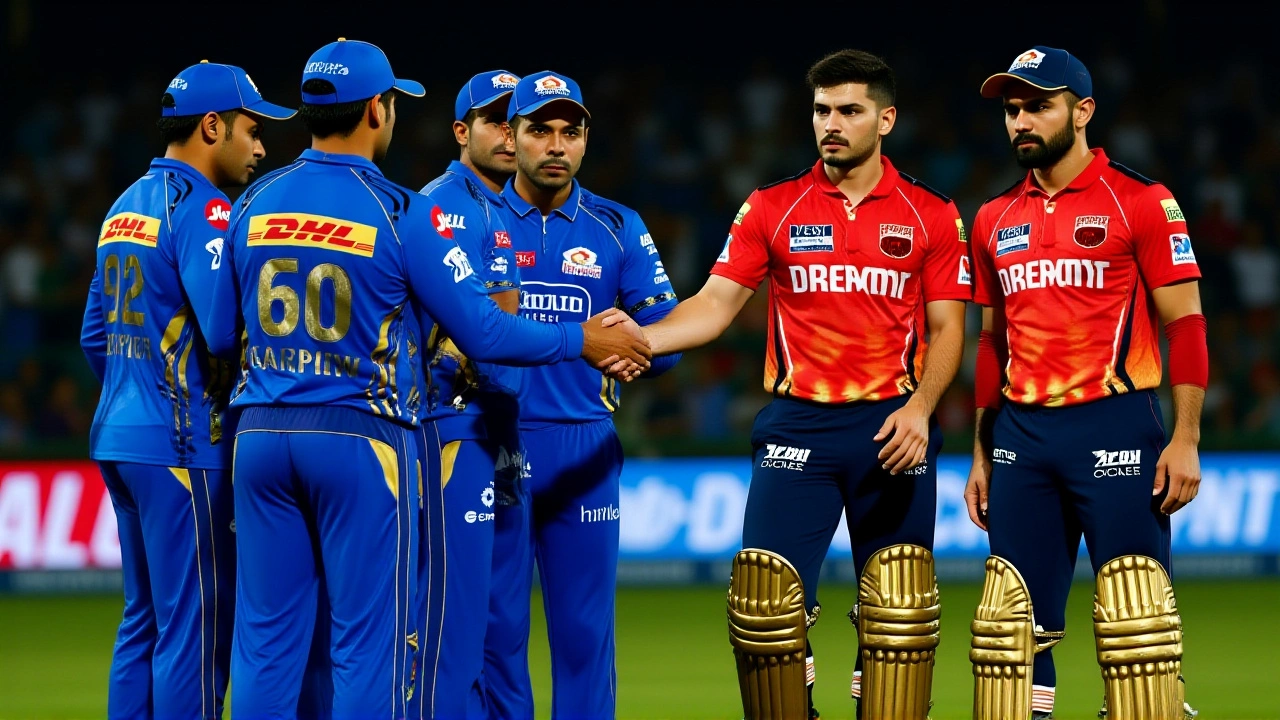
The game is changing behind the scenes. Board of Control for Cricket in India (BCCI) has introduced a sweeping set of new regulations for Indian Premier League 2026India, effectively locking down access to players and restricting franchise owner interactions during matches. The move aims to bolster transparency and player safety, but it signals a significant shift in how the league’s most valuable assets are managed.
Here’s the thing: fans used to get close. Really close. But that era appears to be over. Under the new directives, unauthorized individuals—including fans and outsiders—are strictly barred from entering team hotels or buses to meet players. It’s not just about crowd control; it’s about creating an impenetrable bubble around the athletes.
The "No Contact" Protocol
The details are stark. According to reports from CricketCountry, senior BCCI officials have clarified that no one outside the authorized team staff can approach players in these private spaces. This includes family members, agents, sponsors, and even friends. If you’re not on the approved list, you don’t get in.
Shukla, a senior BCCI official, stated that work on these new rules is ongoing and they are expected to be implemented within the next few days. The goal? To ensure the integrity of the tournament remains uncompromised. "Unauthorized persons will not be allowed near players," Shukla emphasized. The ambiguity is gone; if you aren't registered with the board or approved by the team management, you stay out.
But wait, there’s more. The restrictions extend deep into the team’s daily life. Another official, identified as Saikia, explained the hotel room protocols. No one enters a team member’s room without prior knowledge and formal approval from the Team Manager. It doesn’t matter if you’re a sponsor representative or a distant relative. The Team Manager holds the keys—literally and figuratively.
Franchise Owners Kept at Bay
Perhaps the most surprising twist involves the big bosses themselves. Franchise owners have been explicitly instructed to avoid conversations with players, coaches, or managers while seated in the dugout during matches.
This isn’t just polite advice; it’s a directive. The dugout is now considered a tactical sanctuary, reserved solely for cricketing staff. By limiting external interference, the BCCI aims to prevent any potential conflict of interest or undue influence on match-day decisions. Think of it as separating the business suits from the sports coats when the ball is in play.
Why this matters? In high-stakes cricket, every decision counts. If an owner pressures a coach to change a field setting or pull a bowler early because of commercial interests or personal bias, the spirit of the game suffers. These rules draw a hard line between ownership and on-field strategy.
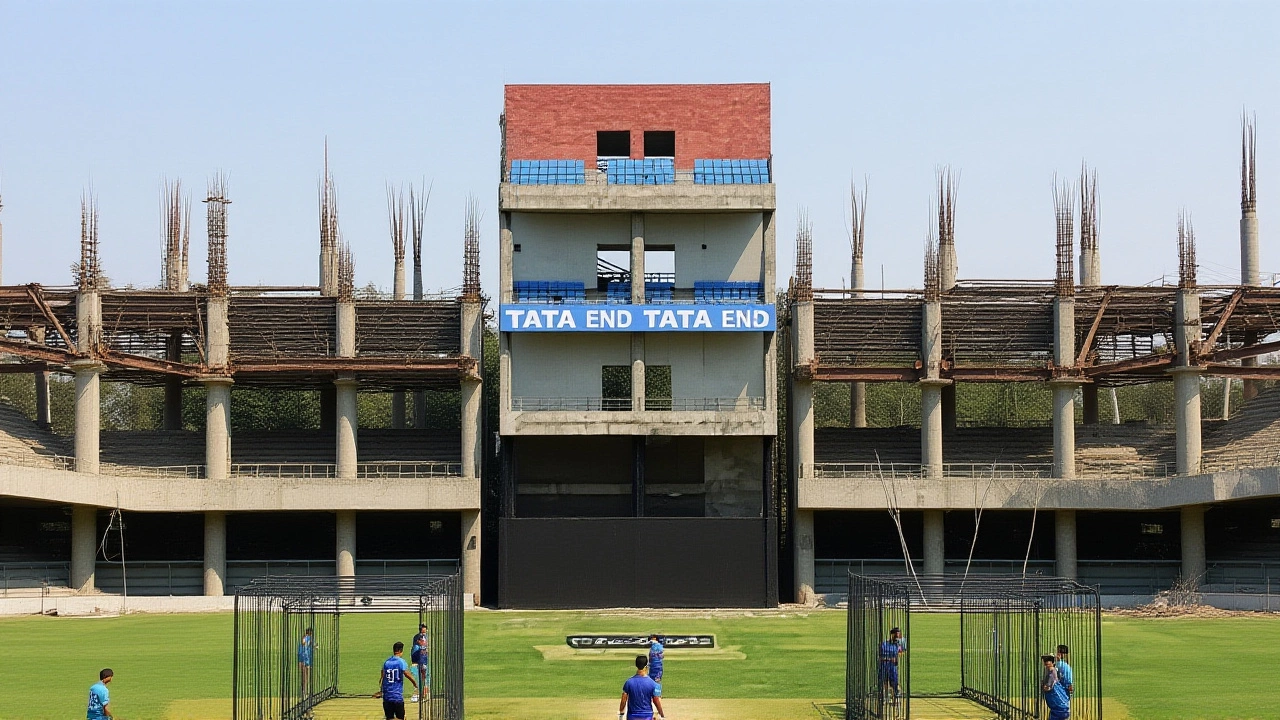
Schedule Shifts and Political Context
The timing of these strictures coincides with logistical complexities. The first phase of IPL 2026 runs from March 28 to April 12, 2026. This window overlaps with assembly elections in three Indian states, prompting the BCCI to carefully plan venues with security and administrative constraints in mind.
Already, we’ve seen schedule changes. A match between Gujarat Titans and Chennai Super Kings, originally scheduled for April 26, 2026, at the Narendra Modi Stadium in Ahmedabad, has been relocated to the M. A. Chidambaram Stadium in Chennai. This shift was due to municipal elections in Gujarat, highlighting the board's flexibility in navigating local political landscapes while maintaining the tournament’s flow.
Strict Penalties for Violations
The BCCI isn’t just making suggestions; they’re preparing to enforce them. Reports from NewsBytes indicate that the board is strengthening its monitoring systems, involving match officials and anti-corruption units. Teams found violating these new protocols face severe disciplinary action.
We’re talking fines, warnings, and potentially heavier sanctions. The message is clear: compliance is mandatory. The BCCI Secretary has signaled a zero-tolerance approach toward rule-breaking franchises. This aligns with a broader trend in global sports where governance bodies are cracking down on corruption risks and ensuring fair play.
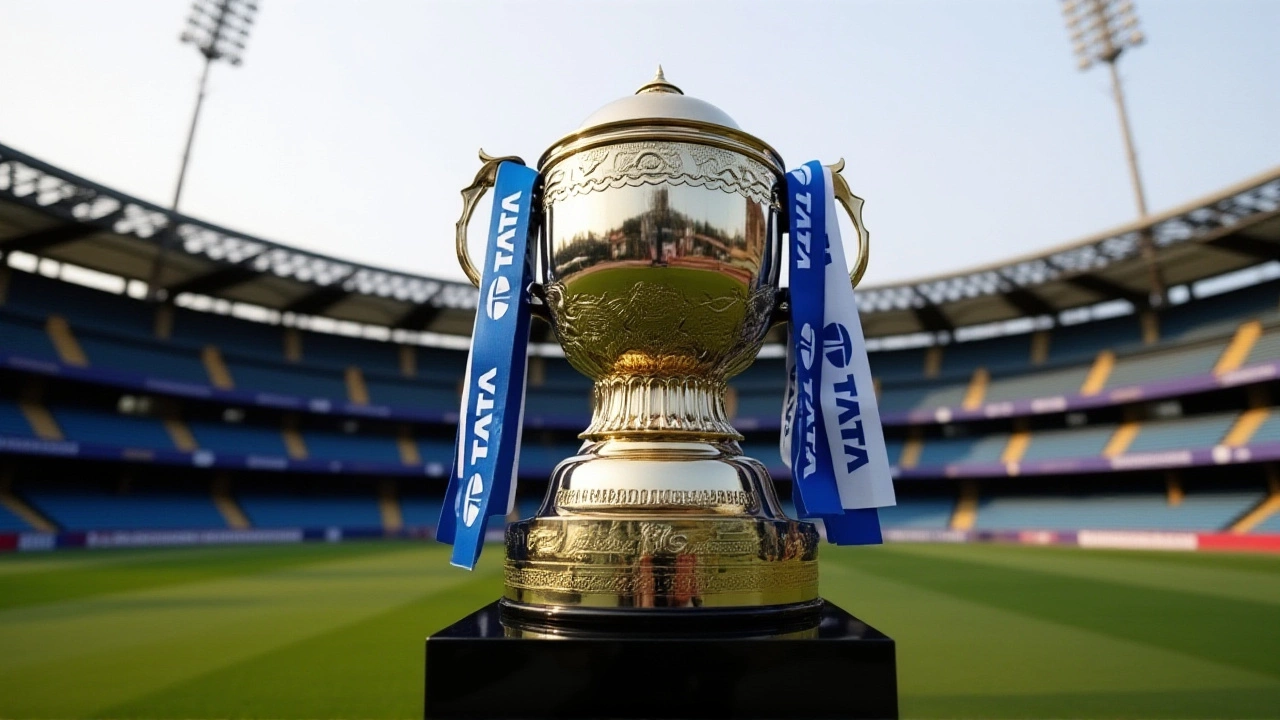
What Does This Mean for Fans?
For the average supporter, the experience might feel slightly more distant. You won’t catch a glimpse of your favorite star in the team bus anymore. However, the trade-off is a cleaner, more secure environment for the players. With heightened security protocols and restricted access, the risk of harassment, unauthorized media leaks, or match-fixing approaches drops significantly.
It’s a balancing act. While fans lose some proximity, the integrity of the sport gains protection. As the IPL continues to grow in value and viewership, safeguarding its reputation becomes paramount. These rules may seem intrusive now, but they could well become the standard for professional leagues worldwide.
Frequently Asked Questions
When will the new BCCI rules for IPL 2026 take effect?
The new regulations are expected to be implemented within the next few days following the announcement. Senior official Shukla confirmed that the framework is being finalized to ensure immediate application during the ongoing season, starting with the first phase from March 28, 2026.
Can franchise owners talk to players during matches?
No. Franchise owners have been explicitly instructed to avoid any conversation with players, coaches, or support staff while seated in the dugout during matches. This rule is designed to prevent external influence on tactical decisions and maintain the integrity of on-field strategy.
Who is allowed to enter a player's hotel room?
Only individuals with prior knowledge and formal approval from the Team Manager can enter a player's room. This applies to everyone, including family members, agents, and sponsors. Unauthorized entry is strictly prohibited to protect player privacy and security.
What happens if a team violates these new rules?
Teams found violating the protocols face strict disciplinary action, which may include heavy fines, official warnings, or other sanctions. The BCCI is strengthening its monitoring systems through match officials and anti-corruption units to ensure compliance.
Why was the GT vs CSK match moved from Ahmedabad to Chennai?
The match scheduled for April 26, 2026, was relocated due to municipal elections in Gujarat. The BCCI adjusted the venue to the M. A. Chidambaram Stadium in Chennai to accommodate security and administrative requirements associated with the local elections.